PAGE 1
The Hunter and the Woodcutter
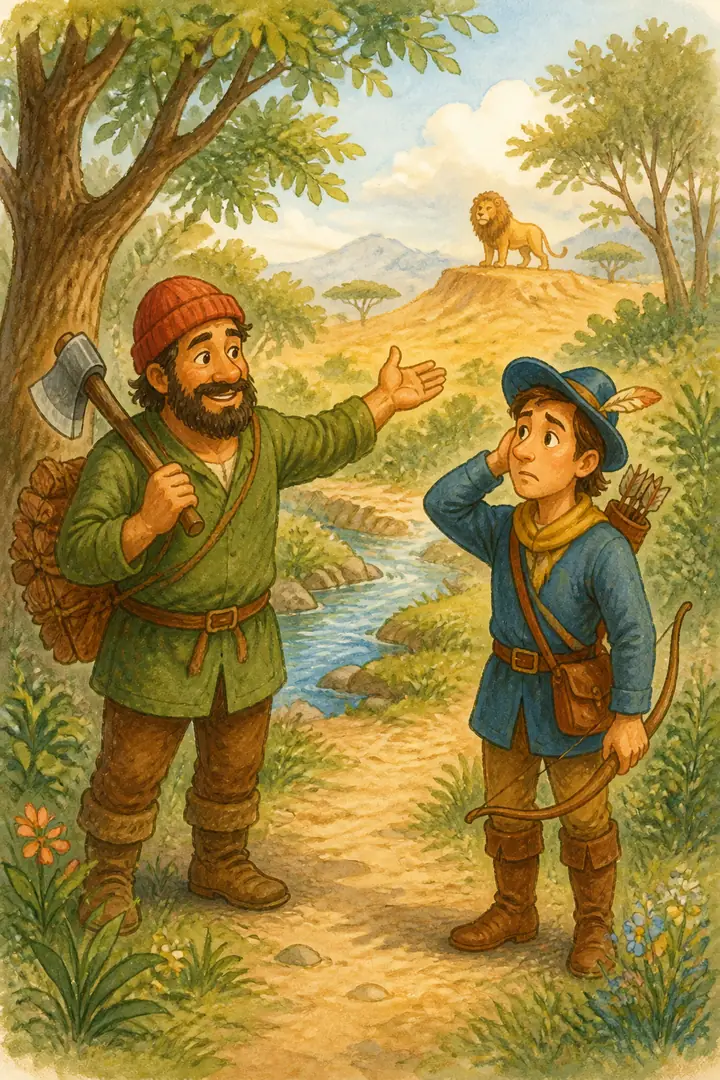
A hunter loudly asked a woodcutter where he could find a lion's tracks. The woodcutter offered to lead him directly to the lion.
Pillow Time Story
Ten warm fables about honest readiness, returned kindness, personal responsibility, dignity, supportive teamwork, healthy grief, trustworthy protection, sincerity, chosen character, and modest stories.
A hunter loudly asked a woodcutter where he could find a lion's tracks. The woodcutter offered to lead him directly to the lion.
The hunter turned pale and admitted that he wanted signs of adventure, not the dangerous animal itself. Lesson: Boasting about a challenge is different from being ready to face it.
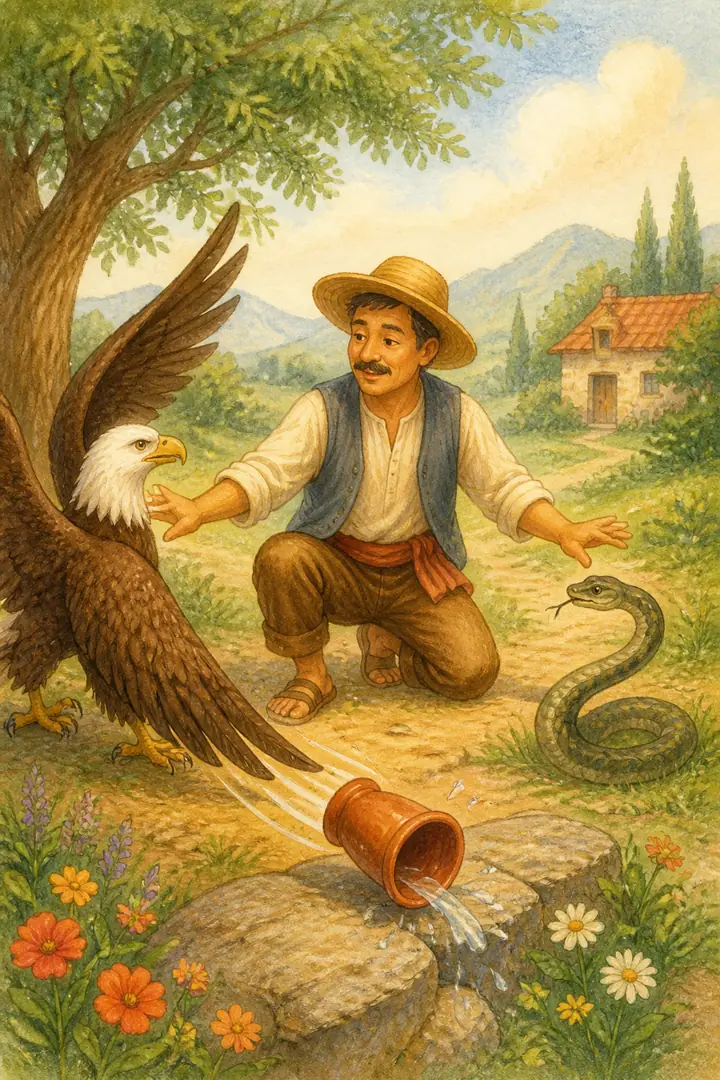
An eagle seized a snake, but the snake coiled around him and both struggled. A farmer safely separated them.
Later, when the snake contaminated the farmer's cup, the grateful eagle knocked it away before he drank. Lesson: Kindness may return through an unexpected act of protection.
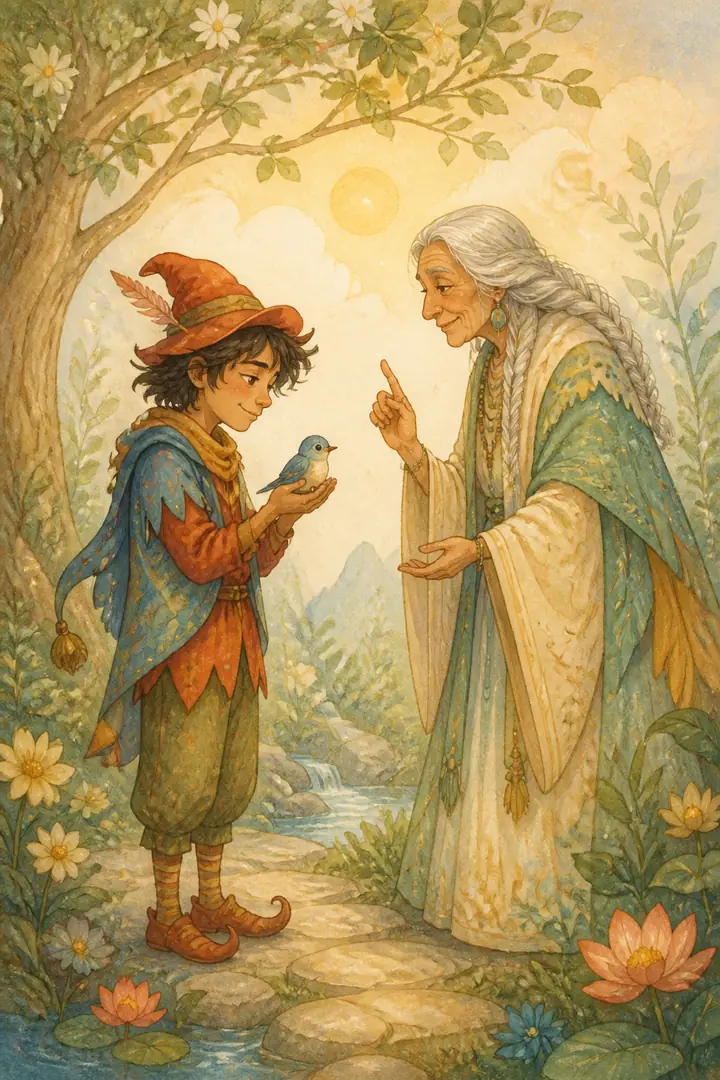
A trickster hid a small bird in his hands and asked an oracle whether it was alive or dead. He planned to make either answer wrong by deciding the bird's fate afterward.
The oracle replied that the answer rested entirely in his own hands. Lesson: We are responsible for choices we control; clever tricks cannot transfer that responsibility.
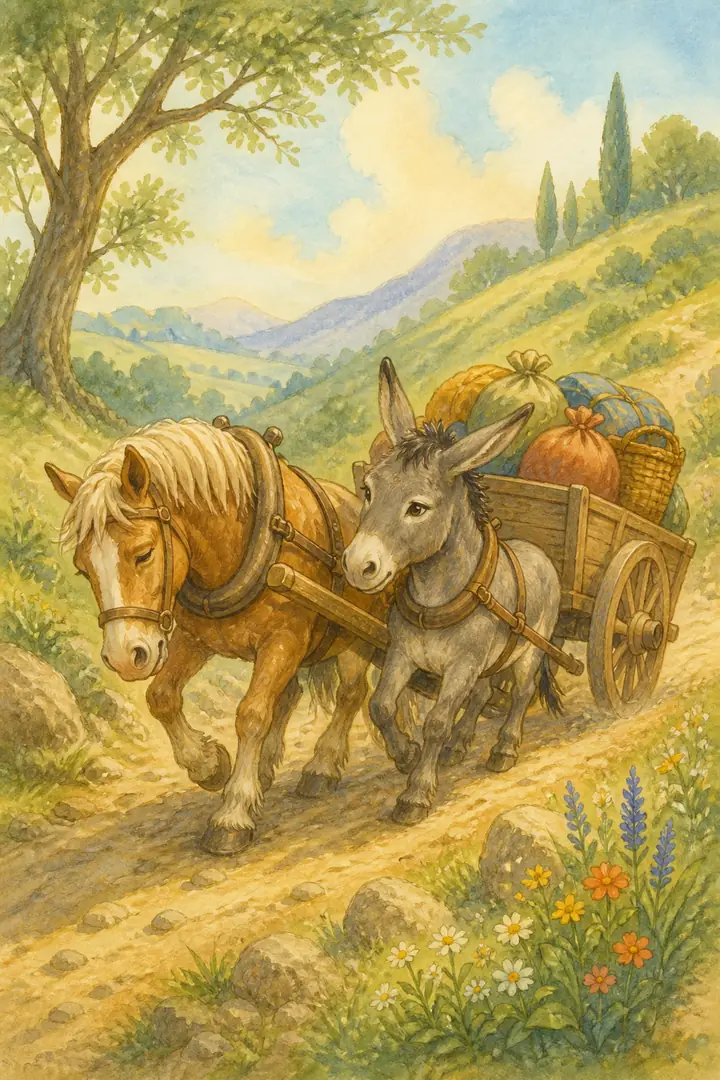
A proud horse in bright harness mocked a burdened donkey for moving slowly. Later, age and illness gave the horse humbler work, and the donkey saw him again.
Instead of returning the insult, the donkey helped him pull the cart uphill. Lesson: Circumstances change, so treat everyone with the dignity you may someday need.

A dog chased a wolf and praised his own speed. The wolf looked back and explained that he was not afraid of the dog alone but of the people and other dogs behind him.
The dog realized he had mistaken the strength of his whole group for his individual power. Lesson: Give proper credit to the support that makes your success possible.
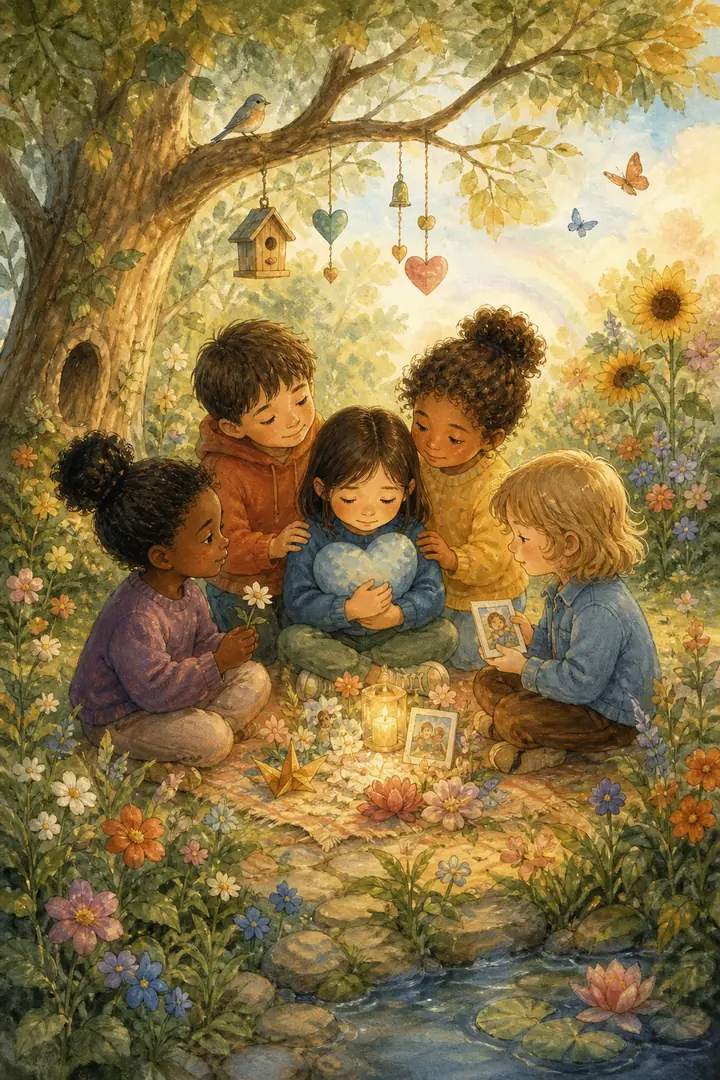
An old tale imagined Grief receiving human tears as his special share. A wiser storyteller added that grief should be welcomed but not allowed to rule forever.
Memories, friendship, and time can gradually make room for joy beside sorrow. Lesson: Mourning deserves patience and support, while healing deserves permission too.
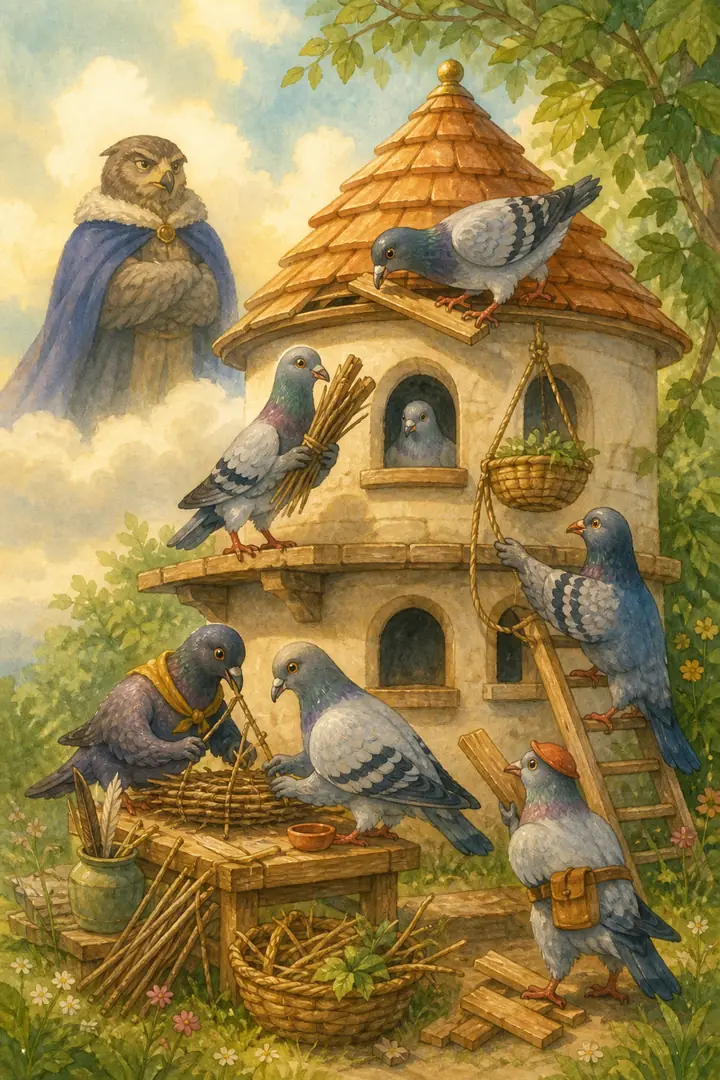
Pigeons troubled by a kite invited a hawk to guard their home. The new protector soon behaved more dangerously than the original threat.
The pigeons escaped, strengthened their dovecote, and learned to investigate a helper before giving it power. Lesson: A powerful protector may become a greater danger if trust is not earned.

A grieving widow met a farmer who claimed to share her sorrow and quickly proposed a new life together. Then the farmer discovered his unattended oxen were missing and showed far more emotion for them than for his earlier story.
The widow recognized his insincerity and declined. Lesson: Genuine feeling is revealed by consistent behavior, not convenient words.

An ancient story tried to explain cruel human behavior by claiming that some people had human bodies but animal souls.
A modern village teacher rejected the insult: animals are not morally inferior, and people are responsible for the habits they choose. Lesson: Judge conduct directly instead of demeaning people or animals with labels.
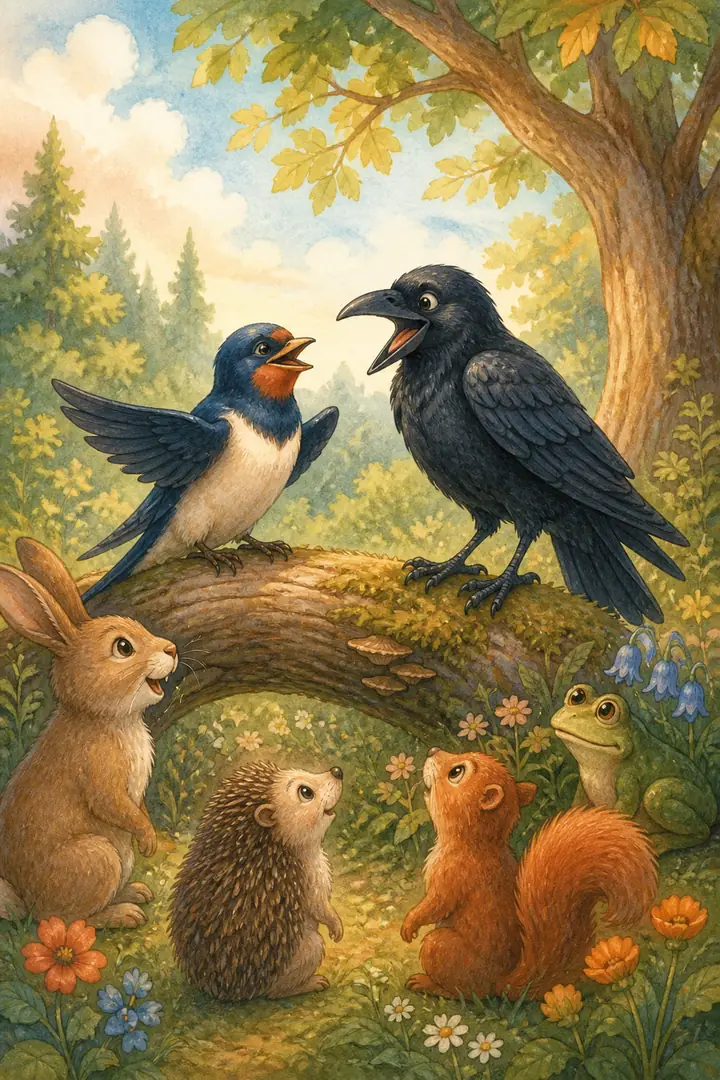
A swallow told a grand story about once being a princess whose voice had been taken away. The crow listened to her nonstop chatter and jokingly wondered how much she might say with an even stronger voice.
The swallow laughed and shortened her boast. Lesson: Exaggerated stories can undermine themselves when the evidence is plainly different.