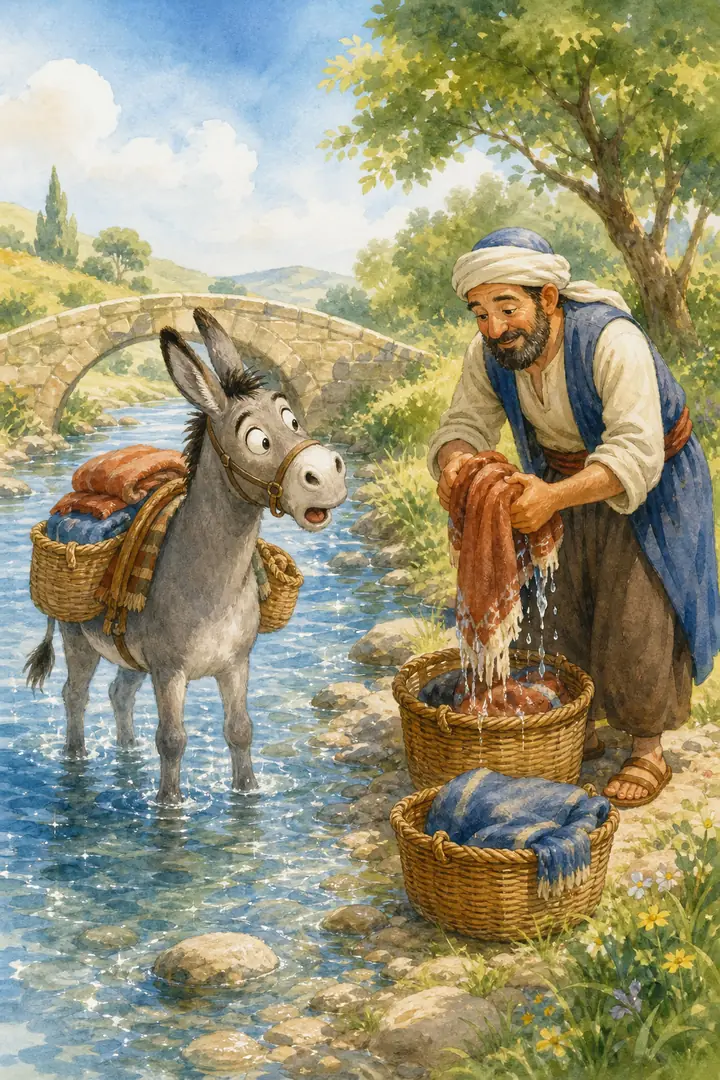
A merchant travelled between his village and the market with a donkey carrying two modest baskets. One day, the baskets held small bags of salt.
While crossing a shallow stream, the donkey slipped safely into the water. Some salt dissolved, making the baskets lighter. On the next journey, the donkey remembered and deliberately knelt in the stream to lighten them again.
PAGE 2
The merchant understood the trick. On their next trip, the baskets held soft dry blankets. The donkey knelt confidently, but the blankets soaked up water instead of becoming lighter.
The merchant helped wring them out on the bank. “Please tell me when a load feels uncomfortable,” he said. The donkey agreed that honesty was better than repeating a trick.
Lesson: A dishonest shortcut may create a bigger problem when it is repeated.
PAGE 3
The Oak That Learned to Bend
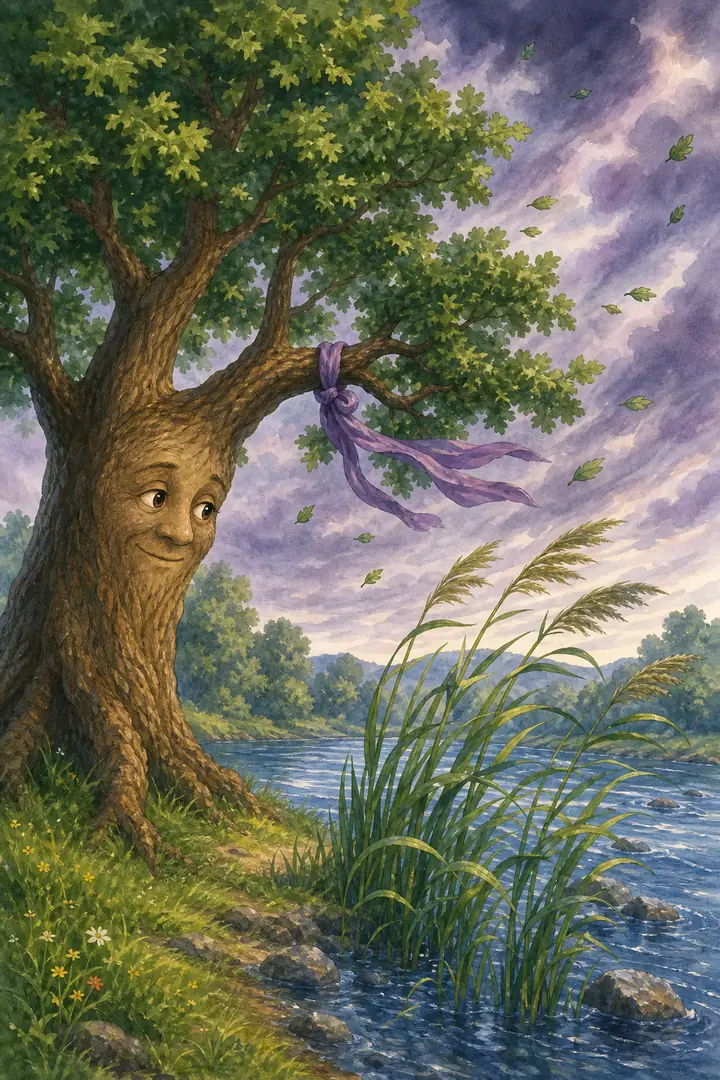
A mighty oak stood beside a river near a group of slender reeds. “Even a gentle wind makes you bend,” the oak observed. “How can such soft plants be strong?”
One evening, a powerful wind swept along the river. The reeds leaned with each gust, then rose again. The oak held every branch stiffly and soon felt strained.
PAGE 4
Remembering the reeds, the oak allowed its smaller branches to move with the wind. A support ribbon protected one heavy limb until the storm passed.
“You gave way for a little while without giving up,” said the oak. “That is another kind of strength.”
Lesson: Flexibility can protect us when stubborn resistance would cause unnecessary harm.
PAGE 5
The Two Visitors in the Kingdom of Apes
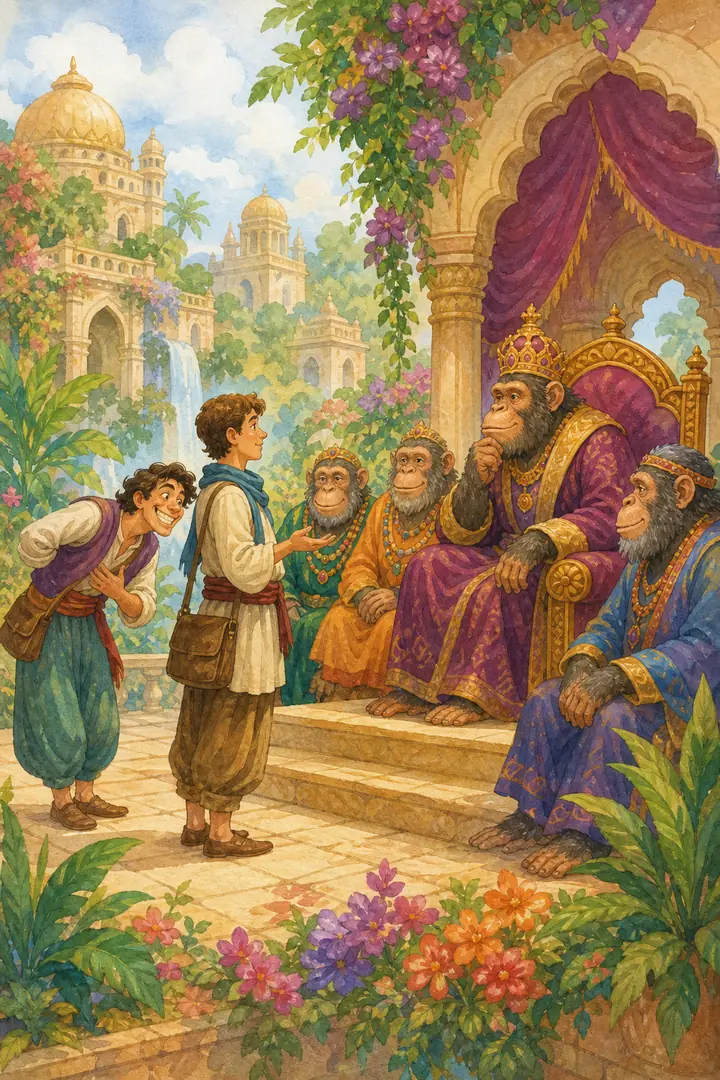
Two travellers visited a garden kingdom ruled by apes. One always said whatever pleased others, even when it was untrue. The other valued honesty but sometimes forgot to choose considerate words.
The ape king asked what they thought of his leadership. The first traveller offered grand praise without meaning any of it.
PAGE 6
The second traveller almost answered rudely. Then he paused. “Your garden is beautiful,” he said honestly. “May I also suggest more shade for the youngest apes?”
The king appreciated the useful truth spoken with respect. The first traveller saw that empty flattery helped no one.
Lesson: Honesty matters most when it is expressed with wisdom, kindness, and consideration.
PAGE 7
The Child Who Misunderstood the Snails
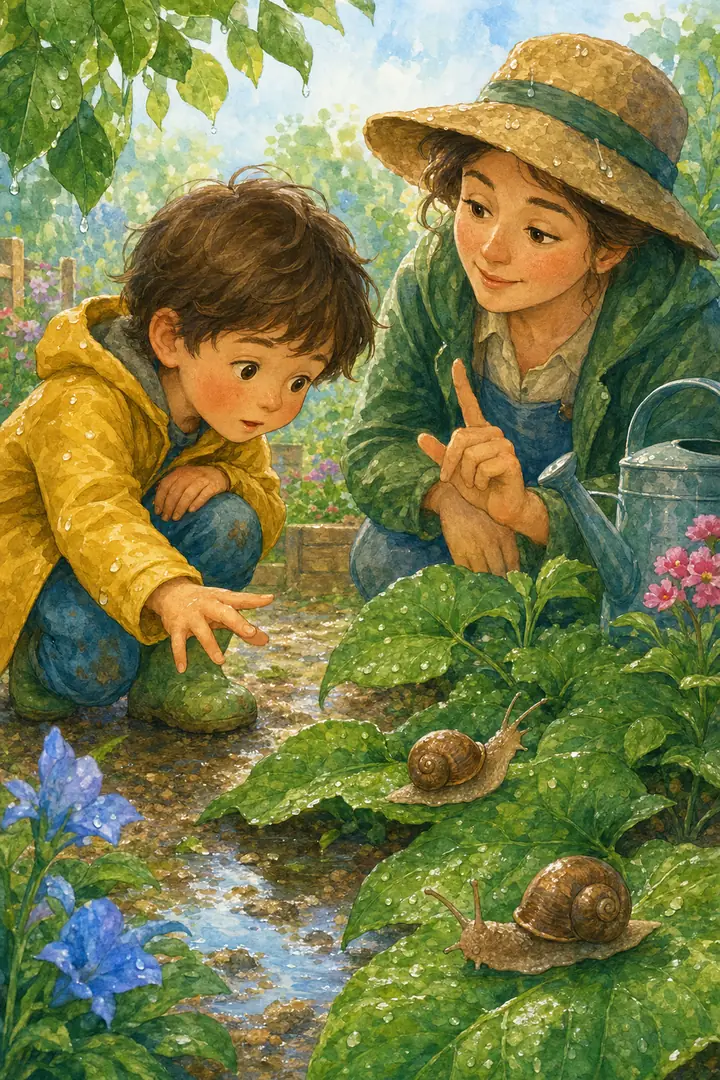
After a rainy morning, a child found several snails gliding across the garden leaves. When the child reached toward one, it quickly pulled into its shell.
“How funny!” the child said. “It must enjoy playing hide-and-seek.” A gardener nearby gently explained that the snail might be protecting itself because the large hand felt frightening.
PAGE 8
The child moved back and waited quietly. Soon, the snail stretched out again and continued across the leaf.
“I thought I understood its movement, but I was only guessing,” the child said. From then on, the child observed small creatures patiently without touching them.
Lesson: Do not assume you understand another creature’s feelings from appearances alone.
PAGE 9
The Naturalist and the Young Animal
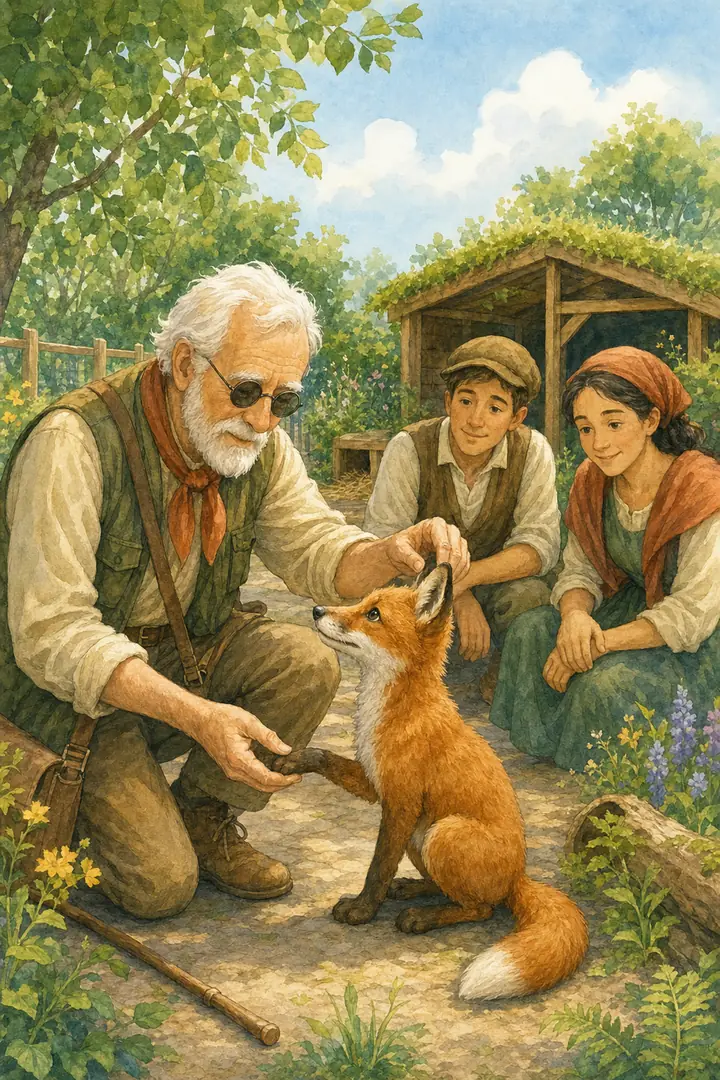
A wise naturalist with limited sight could recognize many animals by carefully noticing their fur, ears, paws, movement, and sounds. One day, villagers brought a healthy young animal to the wildlife-care garden.
The naturalist examined it gently. “I cannot yet be certain whether this is a young fox or a young wolf,” he said.
PAGE 10
The naturalist noticed its alert ears, quick movements, and need for space. “I know enough to give it secure shelter and expert care until we identify it,” he explained.
The villagers stopped laughing and helped prepare a quiet woodland enclosure. They learned that admitting uncertainty can be part of good judgment.
Lesson: Observe early signs carefully, but use them to provide proper care—not to decide that someone’s future character is fixed.