PAGE 1
The Donkey in the Lion's Skin
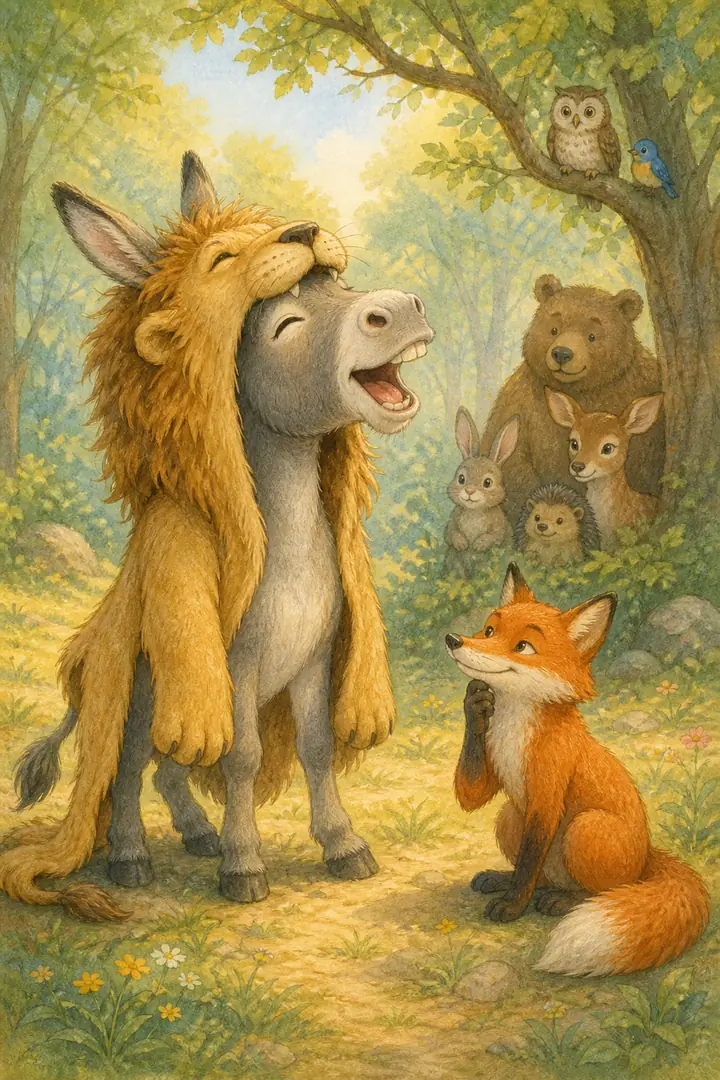
A donkey found an empty lion skin and wore it like a costume. Everyone fled when they saw him, and he felt wonderfully powerful.
Pillow Time Story
Ten gentle fables about honesty, evidence, safety, moderation, friendship, confidence, and gratitude.
A donkey found an empty lion skin and wore it like a costume. Everyone fled when they saw him, and he felt wonderfully powerful.
Then he celebrated with a loud bray. A fox recognized the voice and said, “The costume fooled my eyes, but your voice told me who you really are.” Lesson: Pretending may fool others briefly, but our actions reveal our true character.
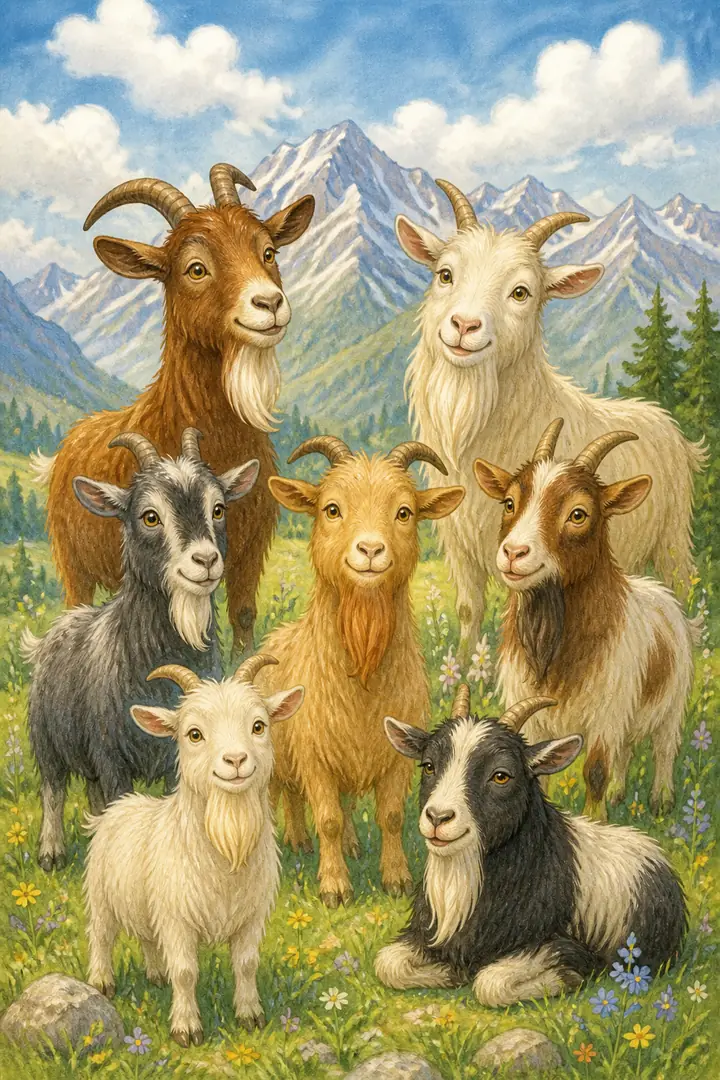
The female goats asked Jupiter for beards, and he granted their wish. The male goats complained because they thought beards belonged only to them.
Jupiter reminded them that sharing an appearance did not take away anyone's strength or worth. Lesson: Another person's choices do not diminish your own value.
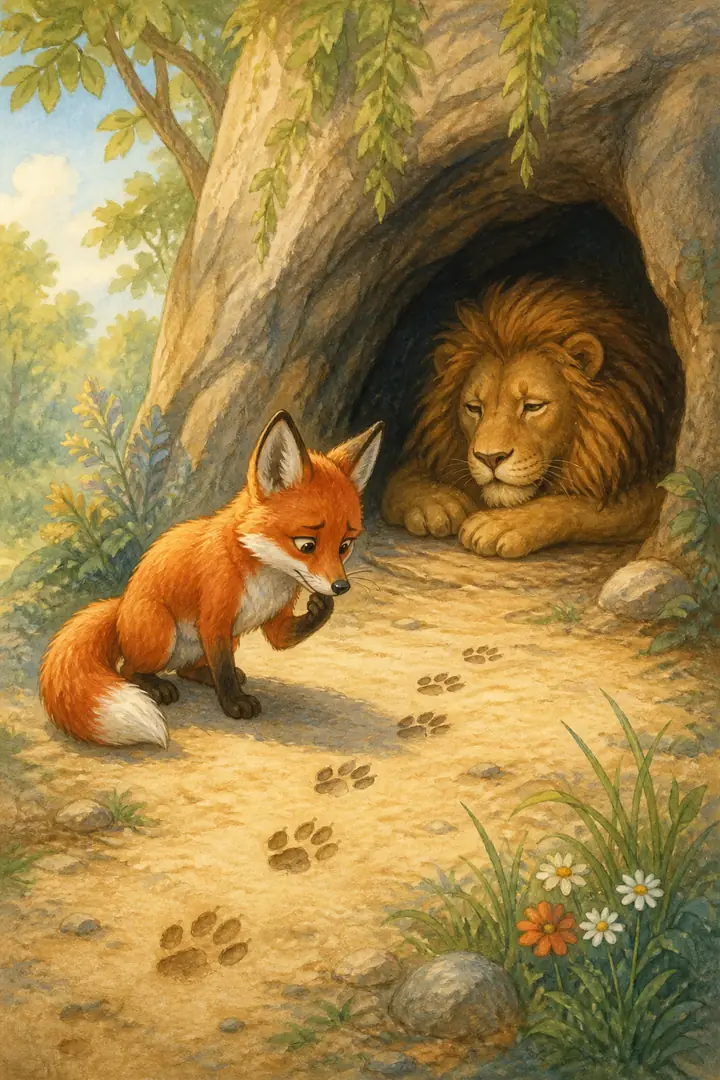
An aging lion pretended to be ill and invited animals into his cave. A careful fox stopped outside and studied the ground.
Every footprint led into the cave, but none came back out. The fox politely wished the lion well from a safe distance and left. Lesson: Look for evidence before trusting a risky invitation.
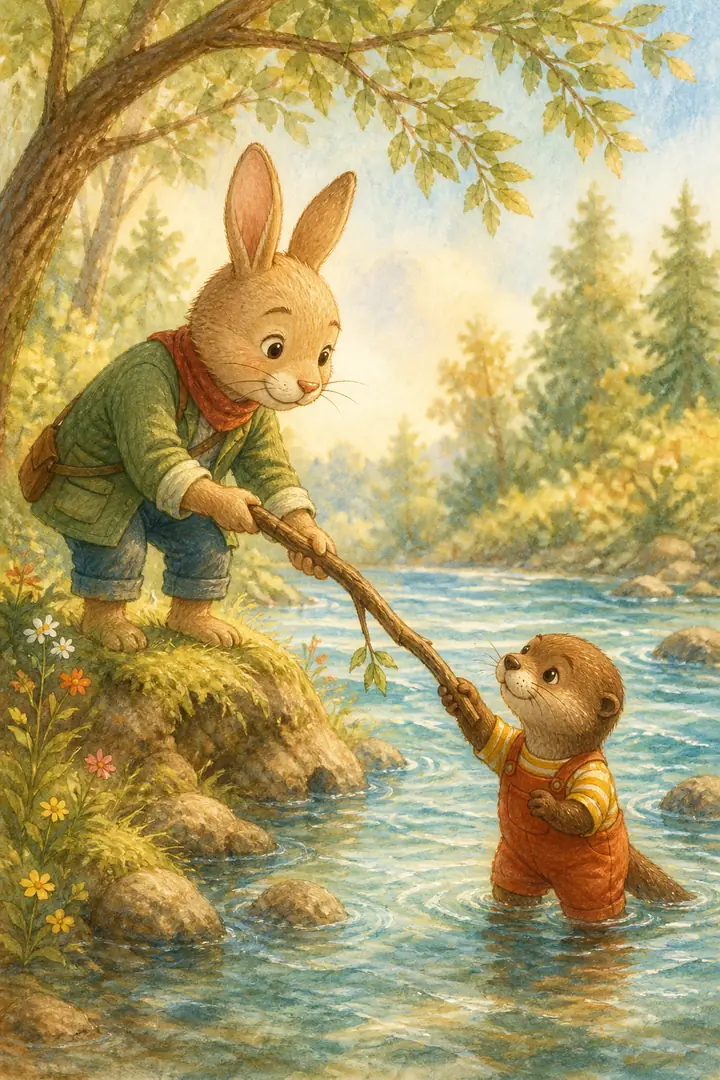
A boy swam too far into a river and called for help. A passerby began scolding him for being careless.
“Please pull me to safety first,” cried the boy. “You can teach me about safer swimming afterward.” Lesson: In an emergency, give practical help before criticism.
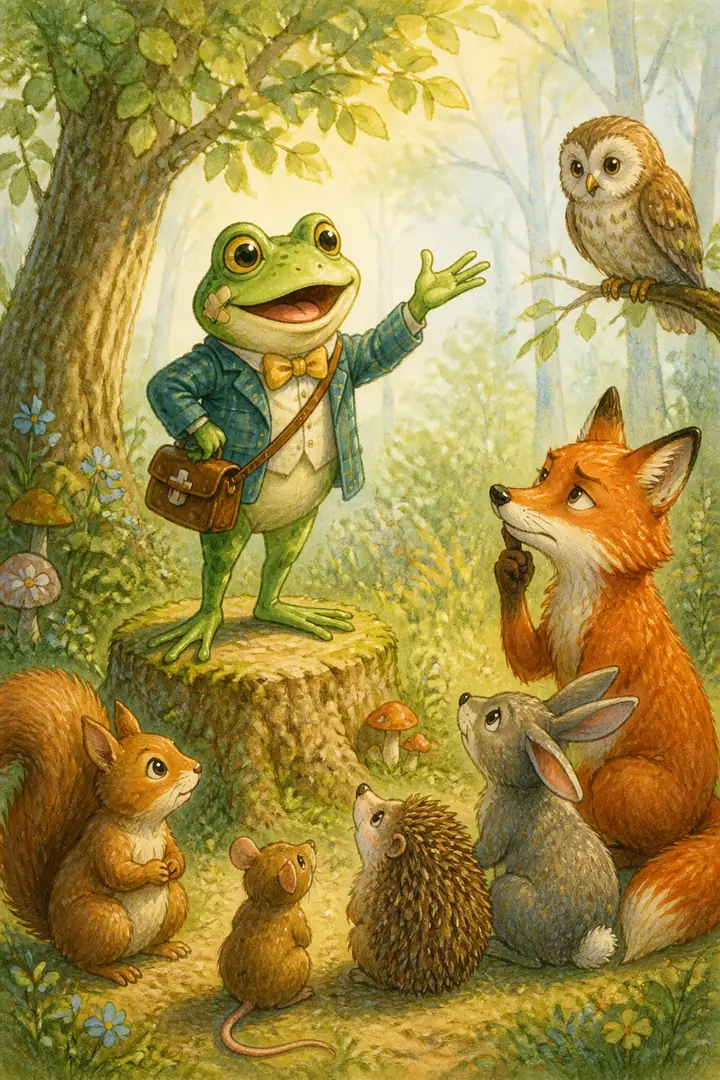
A frog announced that he could cure every illness. A fox looked at the frog's sore legs and unhealthy skin and asked why such a talented healer had not helped himself.
The frog had no answer, and the animals knew his claim was only boasting. Lesson: Trust expertise that is supported by knowledge and evidence.
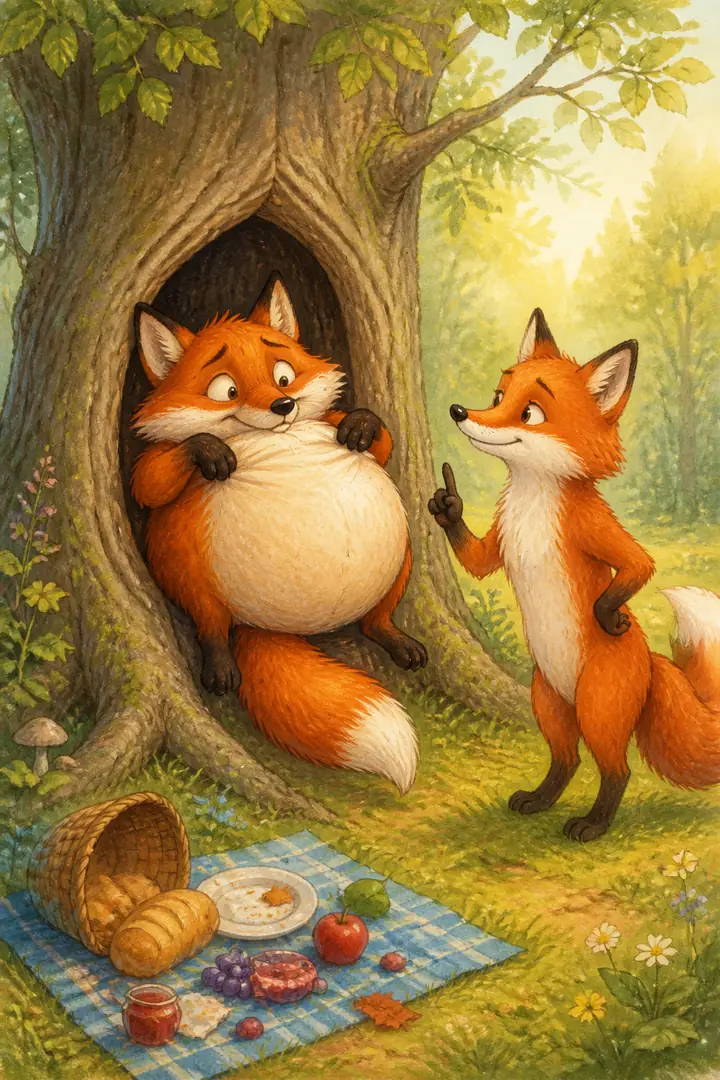
A hungry fox squeezed through a small opening into a hollow tree where shepherds had stored food. He ate until his round belly would not fit through the opening.
Another fox advised him to rest until he returned to his former size. The embarrassed fox learned that greed could turn a lucky discovery into a trap. Lesson: Taking more than we need can create unnecessary trouble.
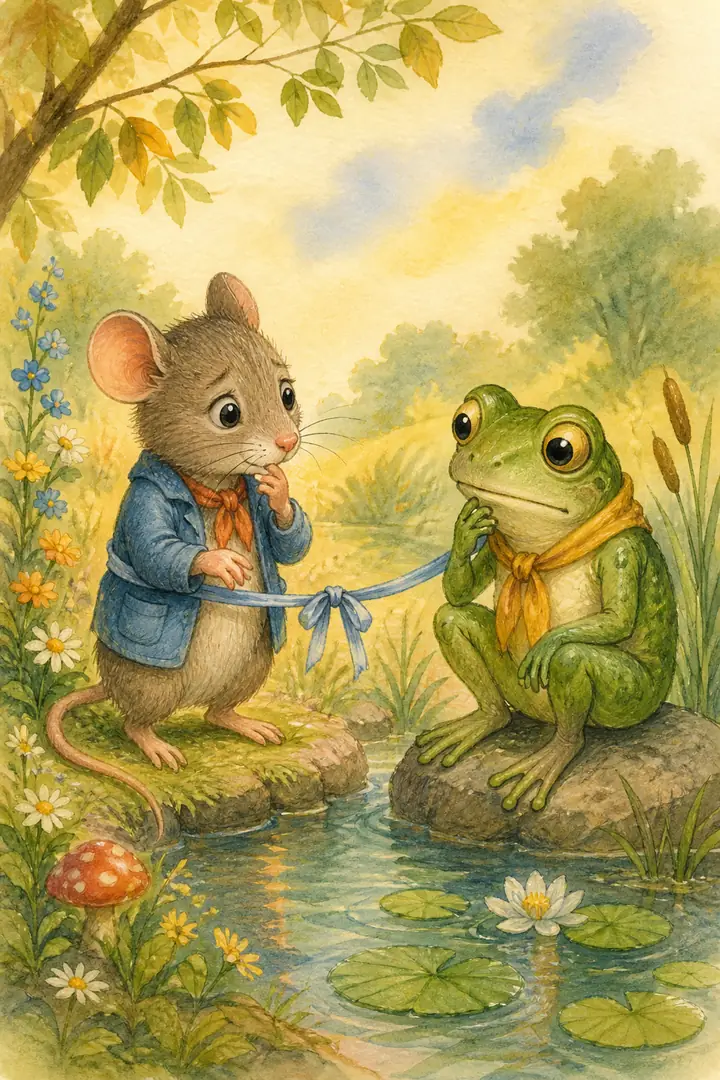
A frog tied his leg to a mouse's leg so they would always stay together. The plan seemed pleasant on dry land, but the frog later jumped toward a pond and pulled the frightened mouse with him.
They quickly untied the thread and chose to travel side by side instead. Lesson: Friendship must respect each person's different needs and safety.
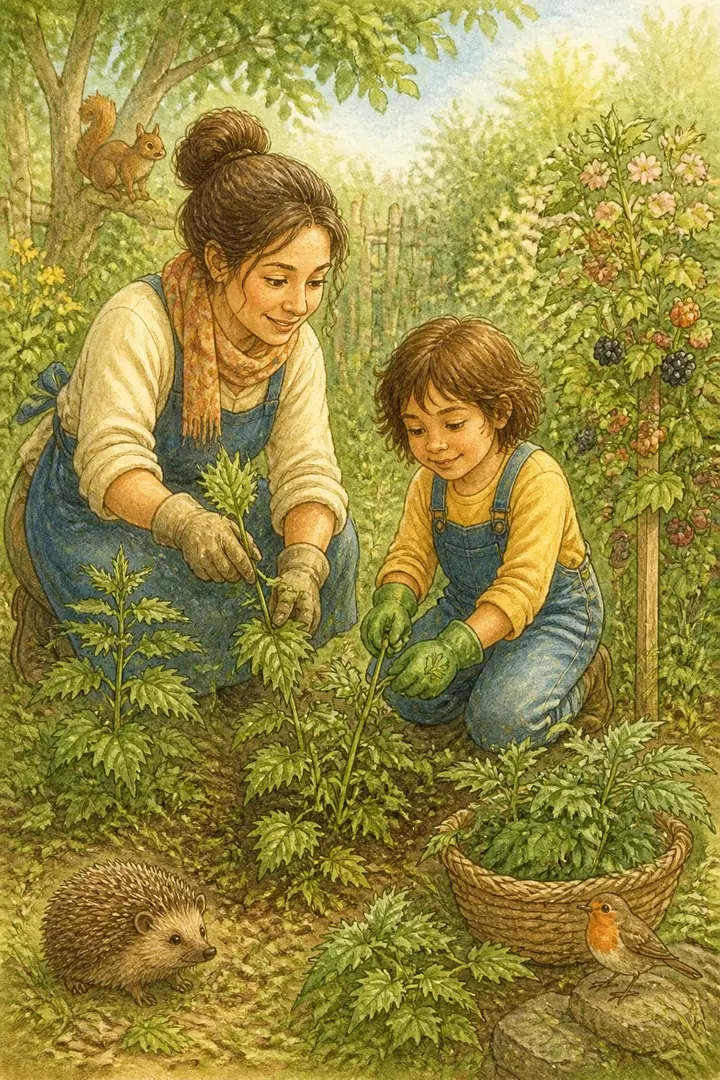
A boy brushed lightly against a nettle and received a painful sting. His mother explained that nervous half-measures often make a difficult task worse.
She showed him how to use gloves and grasp the plant firmly when clearing it from the path. Lesson: Meet difficult tasks with preparation and confidence.
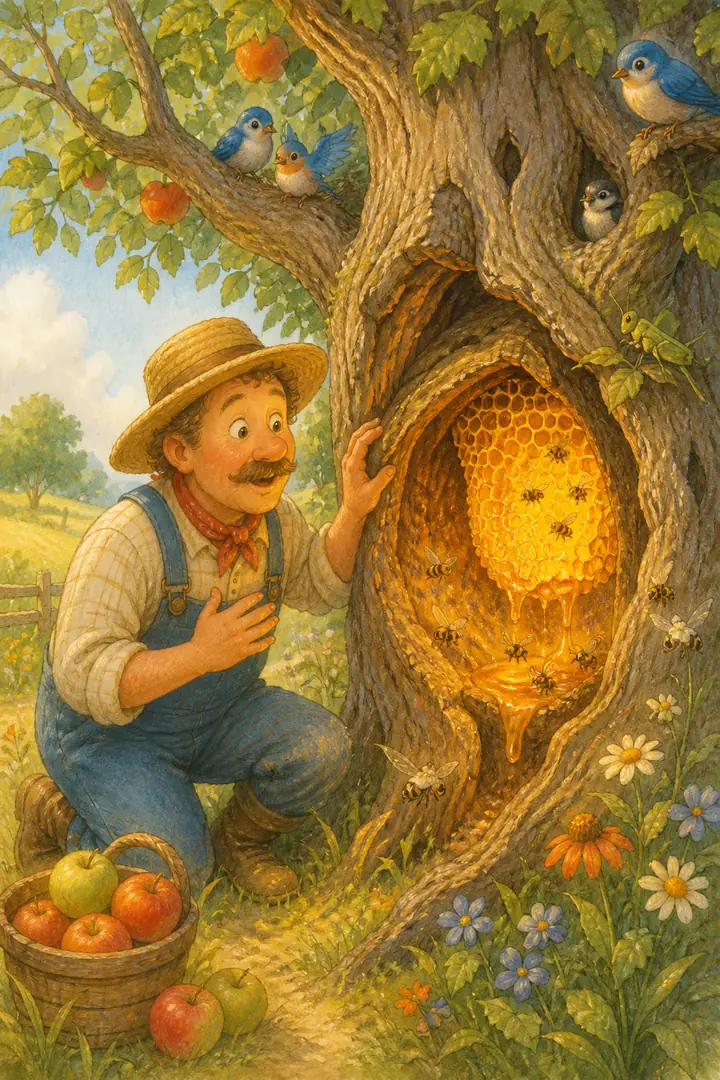
A farmer considered removing an apple tree that produced no fruit. Birds and grasshoppers begged him to keep their shady home, but he cared only about usefulness.
Inside the hollow trunk, he discovered bees and honey. He finally understood that the tree had value in several unexpected ways. Lesson: Look carefully before deciding that something has no worth.
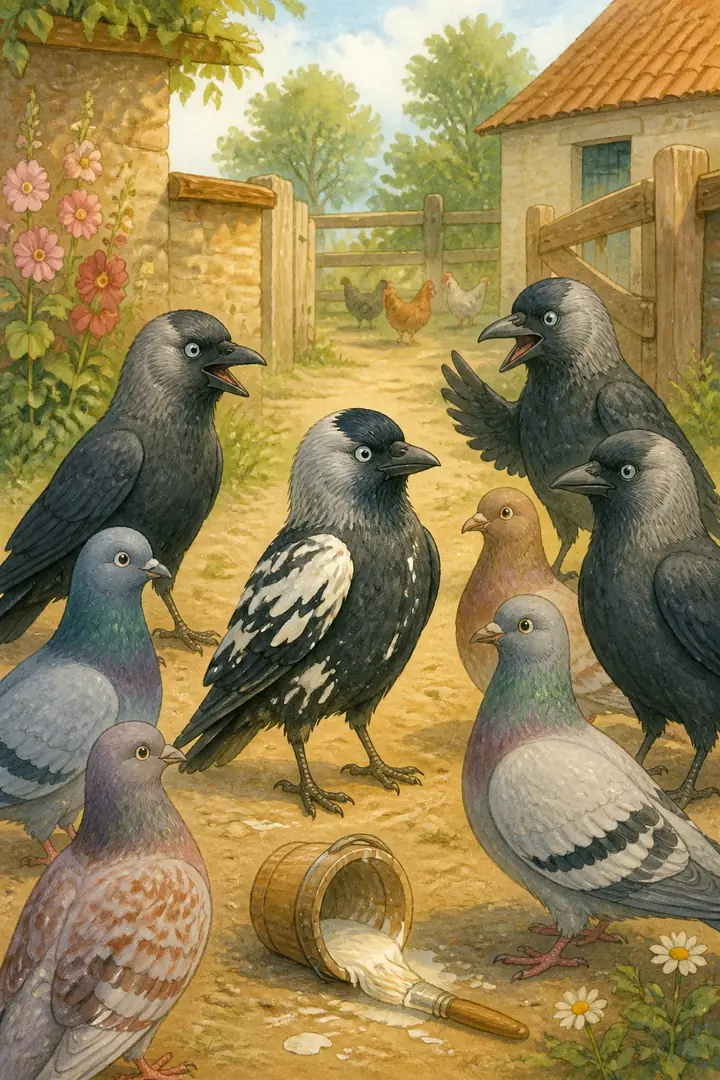
A jackdaw painted himself white so he could join well-fed pigeons. His disguise worked until his natural chatter revealed him.
When he returned home, the other jackdaws did not recognize his painted feathers either. He cleaned himself and chose to belong honestly. Lesson: Changing your appearance cannot replace being truthful about who you are.